Battery-Powered Yard Tool Ecosystems
Key Takeaways
- Battery-powered yard tool ecosystems provide flexibility and efficiency for outdoor maintenance.
- Compatibility among tools is crucial for a seamless user experience.
- Long-term cost savings can be achieved through these systems.
- Types of tools include lawn mowers, trimmers, blowers, and more.
- Choosing the right battery capacity impacts overall performance.
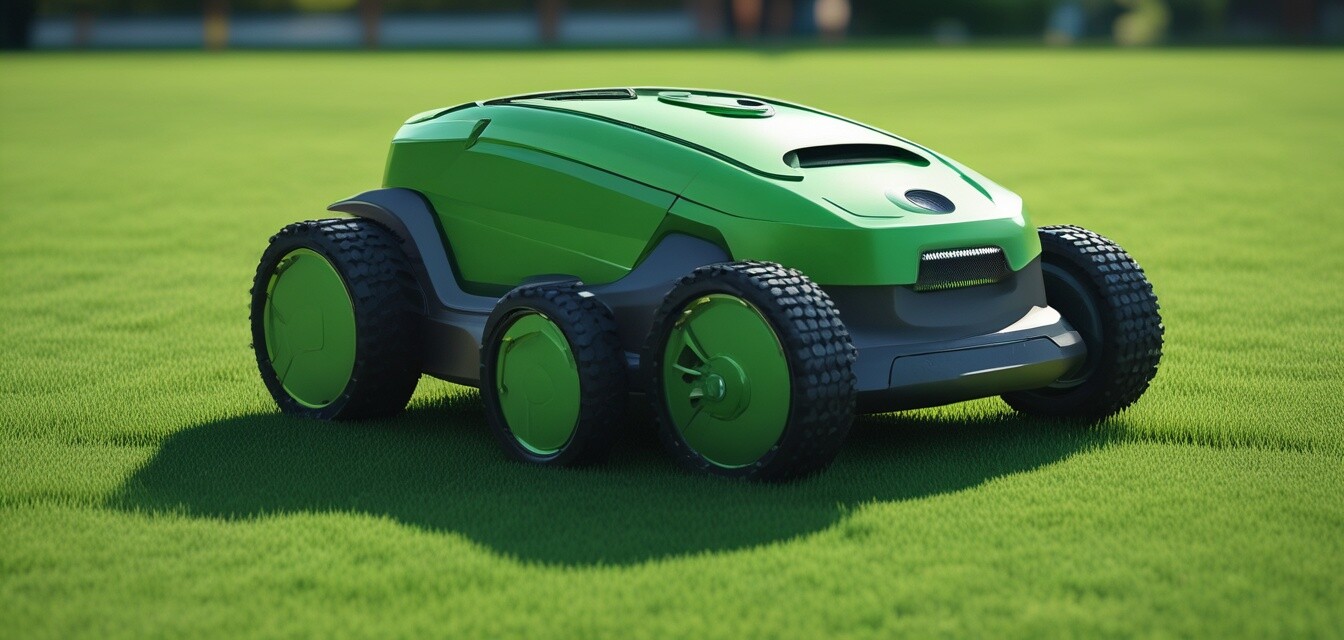
Battery-powered yard tool ecosystems have revolutionized outdoor maintenance, offering homeowners the ability to tackle various tasks without the hassle of cords or gas. This article will delve into the benefits, types of tools, compatibility, and long-term cost efficiency associated with these systems.
Why choose battery-powered yard tools?
Battery-powered tools are not just a trend; they represent a shift in how we maintain our outdoor spaces. Here are some reasons why they are becoming increasingly popular:
- Environmental benefits: They produce zero emissions during operation, making them a sustainable choice.
- Low maintenance: Battery-powered tools typically require less maintenance than gas-powered counterparts.
- Noise reduction: They operate quietly, making them ideal for residential areas.
- Portability: Without the need for cords or fuel, they are easy to maneuver around the yard.
Types of battery-powered yard tools
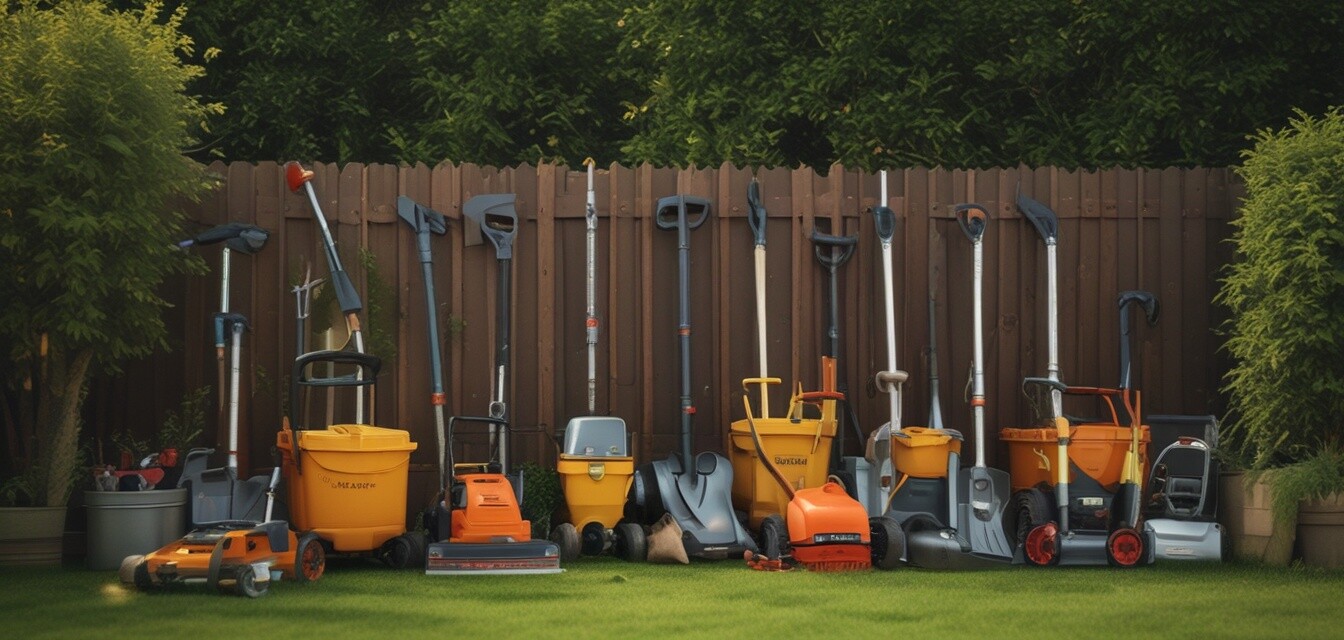
Battery-powered yard tools come in various types, each designed for specific tasks. Here’s a breakdown of the common tools available:
| Tool Type | Common Uses | Battery Capacity Range |
|---|---|---|
| Lawn Mowers | Mowing grass, maintaining lawn health | 20V - 80V |
| String Trimmers | Edging, trimming around obstacles | 20V - 60V |
| Leaf Blowers | Clearing leaves, debris, and grass clippings | 20V - 80V |
| Hedge Trimmers | Shaping and maintaining hedge growth | 20V - 60V |
| Chainsaws | Tree pruning, cutting firewood | 40V - 80V |
Understanding battery compatibility
When investing in a battery-powered yard tool ecosystem, compatibility between tools and batteries is essential. Here’s what you should consider:
- Brand compatibility: Many brands have their own battery systems, which may not work interchangeably.
- Voltage levels: Ensure that the voltage levels are compatible across tools for optimal performance.
- Battery type: Lithium-ion batteries are common for their efficiency and long life.
For a more detailed understanding of compatible products, check our Battery-Powered Yard Tools section.
Long-term cost efficiency
Investing in battery-powered tools can lead to significant savings over time. Here’s a breakdown of potential savings:
| Cost Factor | Battery-Powered Tools | Gas-Powered Tools |
|---|---|---|
| Initial Purchase Price | Higher upfront cost | Lower upfront cost |
| Fuel Costs | None | Regular fuel purchases |
| Maintenance Costs | Lower (few moving parts) | Higher (oil changes, repairs) |
| Noise Level | Low | High |
| Environmental Impact | Zero emissions | Emissions from fuel combustion |
Tips for choosing the right battery-powered tools
Beginners Section
- Start with essential tools like a lawn mower and trimmer.
- Look for tools that share the same battery platform for convenience.
- Consider the size of your yard to determine battery capacity needs.
- Read user reviews and warranty information to ensure product reliability.
- Explore our Smart Irrigation Systems for an efficient yard solution.
Conclusion
Battery-powered yard tool ecosystems are an excellent investment for any homeowner looking to simplify their outdoor maintenance tasks. With a variety of tools available, compatibility options, and long-term cost efficiency, these systems are designed to enhance your gardening experience. Whether you're mowing the lawn or trimming hedges, there's a battery-powered solution available that will meet your needs.
Pros
- Environmentally friendly with zero emissions.
- Lower maintenance costs overall.
- Quieter operation compared to gas-powered tools.
- Easy to use and maneuver.
- Wide variety of tools available for different tasks.
Cons
- Higher initial investment compared to gas models.
- Battery life may be limited for larger tasks.
- Some brands may have compatibility issues.
Explore more about outdoor automation
For more information on enhancing your outdoor spaces, check out our other categories: