Smart Outdoor Lighting
Key Takeaways
- Smart outdoor lighting enhances both ambiance and security.
- Consider energy-efficient LED options to reduce electricity costs.
- Utilize smart controls for automation and remote access.
- Integrate motion sensors for added security features.
- Choose designs that complement your outdoor aesthetics.
Smart outdoor lighting is not just about illuminating your yard; it's about enhancing the overall ambiance while ensuring safety and security. By utilizing advanced technologies, homeowners can achieve a perfect blend of functionality and style. In this guide, we’ll explore various aspects of smart outdoor lighting, from technologies and design tips to optimizing energy usage.
Understanding Smart Outdoor Lighting Technologies
Before diving into design tips, it’s essential to understand the technologies that power smart outdoor lighting systems. Here are some key components:
| Technology | Description | Benefits |
|---|---|---|
| LED Lighting | Energy-efficient bulbs with long lifespans. | Lower energy bills and less frequent replacements. |
| Smart Controls | Apps and voice control for easy management. | Convenience and automation of lighting schedules. |
| Motion Sensors | Detects movement and activates lights. | Enhanced security and energy savings. |
| Solar-Powered Lights | Uses solar energy for power. | Environmentally friendly and cost-saving. |
Design Tips for Smart Outdoor Lighting
When designing your smart outdoor lighting layout, consider the following tips:
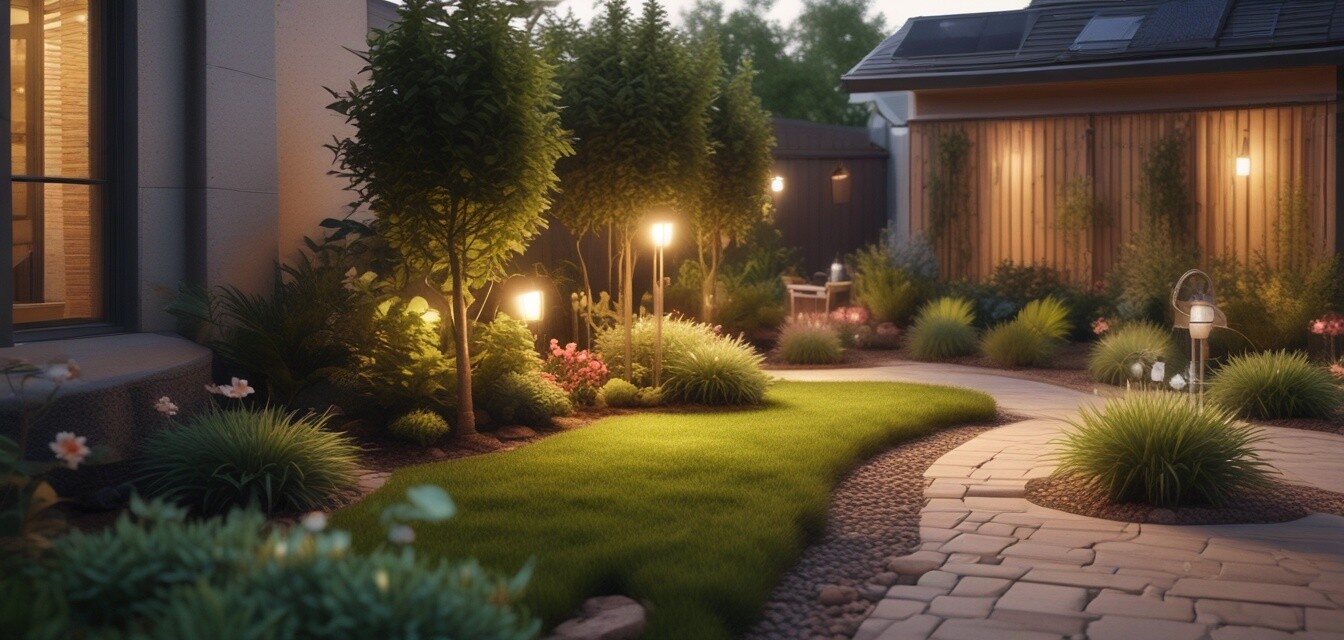
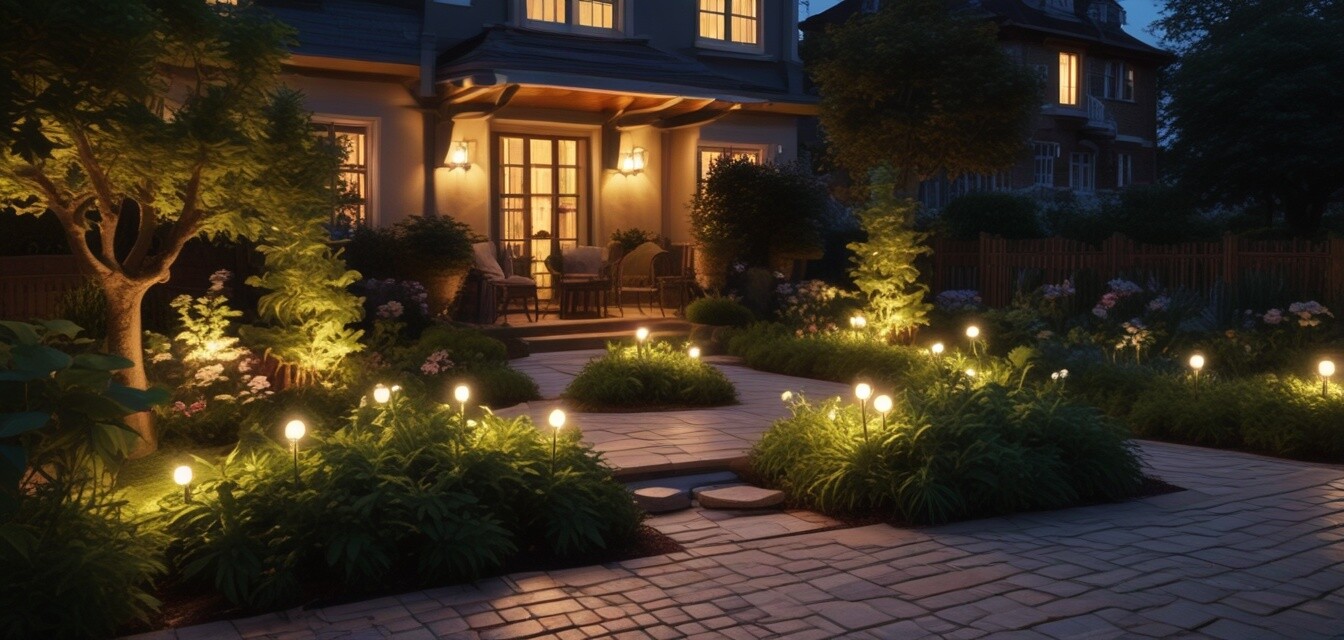
- Highlight Pathways: Use lighting to illuminate walkways, ensuring safe navigation at night.
- Accent Landscaping: Strategically place lights to showcase plants and features.
- Layer Lighting: Combine ambient, task, and accent lighting for a balanced effect.
- Choose the Right Fixtures: Match lighting fixtures with your home's architectural style.
- Utilize Dimmers: Install dimmers to adjust brightness according to your needs.
Energy Efficiency Considerations
Energy efficiency is a significant factor in choosing smart outdoor lighting. Here are ways to optimize energy use:
Tips for Energy Efficiency
- Opt for LED bulbs over traditional incandescent bulbs.
- Implement timers to turn lights on and off automatically.
- Use motion sensors to ensure lights are only on when needed.
- Invest in solar lighting solutions for areas with ample sunlight.
Enhancing Security with Smart Outdoor Lighting
Smart outdoor lighting also plays a crucial role in enhancing home security. Here’s how:
- Motion-Activated Lights: Automatically light up when movement is detected.
- Smart Cameras: Integrate lighting with smart camera systems for better visibility.
- Remote Monitoring: Control and monitor your lights from anywhere via a smartphone app.
Product Recommendations
While we won't recommend specific products, consider looking for the following features when purchasing smart outdoor lighting:
| Feature | Why It Matters |
|---|---|
| Smart Home Integration | Ensure compatibility with your existing smart home systems. |
| Adjustable Brightness | Customize light intensity for different occasions. |
| Weather Resistance | Durability against outdoor elements is essential. |
| Color Changing Options | Add versatility for different moods and events. |
Common Mistakes to Avoid
When installing smart outdoor lighting, be cautious of these common mistakes:
- Over-lighting can create an uninviting atmosphere.
- Neglecting to consider the landscape and architecture.
- Ignoring energy consumption and costs.
- Failing to test the setup before installation.
Conclusion
Smart outdoor lighting is an effective way to enhance your yard's aesthetics, improve security, and save on energy costs. By understanding the technologies available, employing thoughtful design strategies, and avoiding common mistakes, homeowners can create an outdoor space that is both functional and beautiful. For more information on outdoor automation, check out our other resources on battery-powered yard tools and smart irrigation systems.
Pros
- Enhances curb appeal and ambiance.
- Improves safety and security.
- Energy-efficient options are available.
- Remote control and automation features.
Cons
- Initial installation costs can be high.
- Requires a reliable Wi-Fi connection for smart features.
- Compatibility issues with existing systems may arise.
- Over-lighting can lead to increased energy consumption.
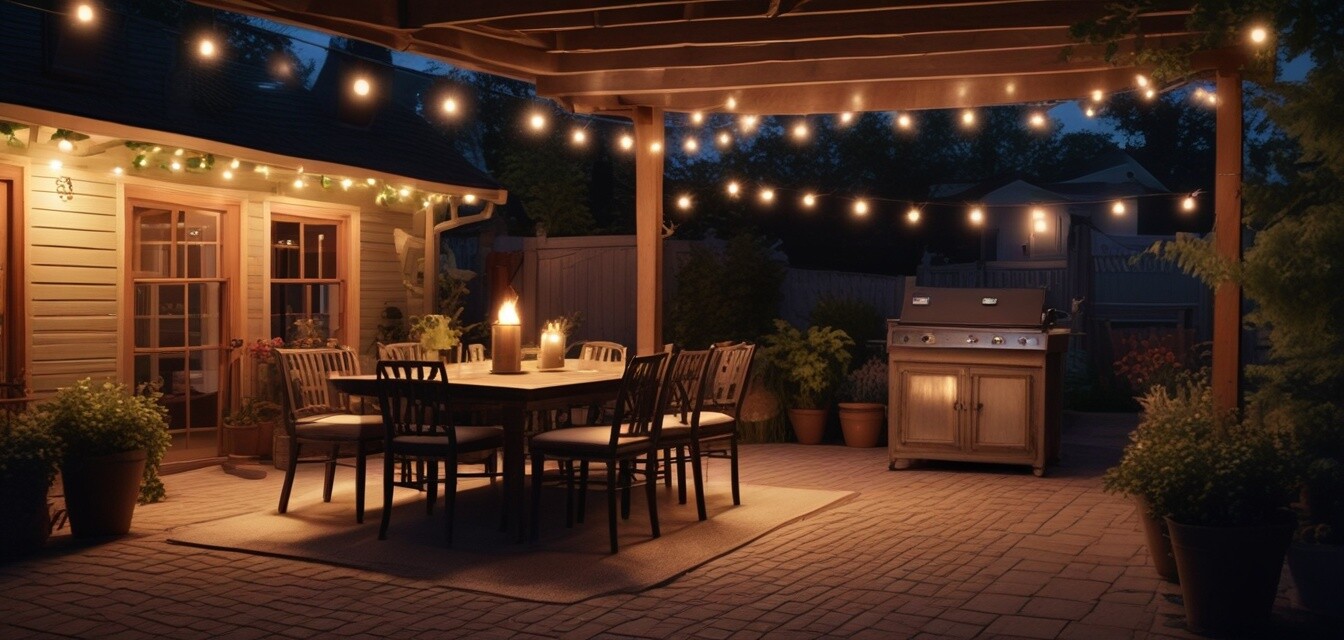
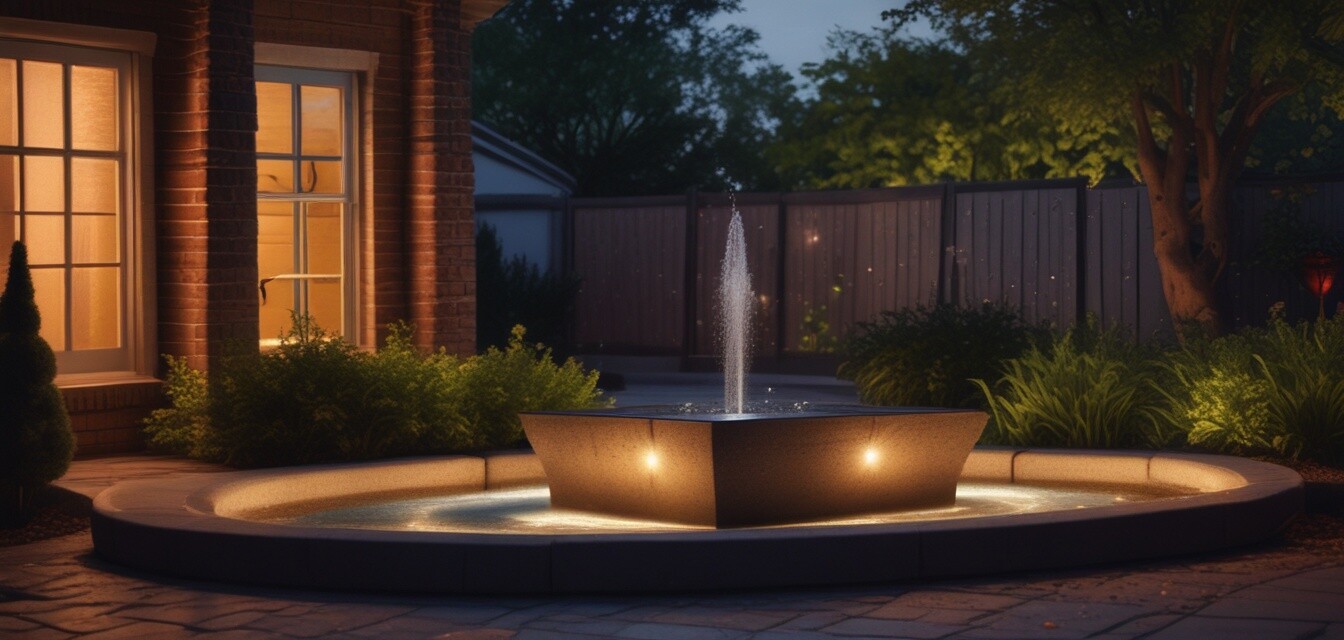
Visual Inspiration
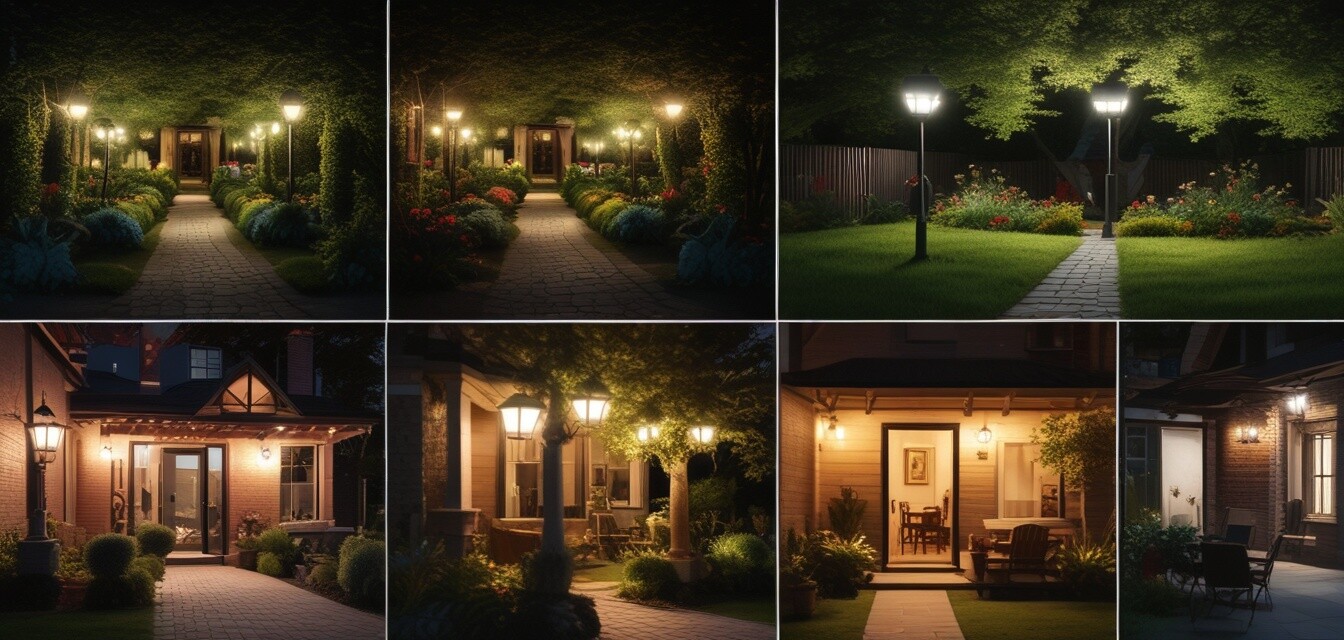
Final Thoughts
Investing in smart outdoor lighting can significantly enhance your outdoor experience. With the right choices, you can create a beautiful, safe, and energy-efficient environment that complements your lifestyle. Explore more about smart solutions in our articles on smart outdoor lighting and weather monitoring systems.